
---
title: World’s most illegally traded mammal gets vital lifeline
description: The pangolin is the only mammal in the world to have large scales covering its body – a protection from many predators but not from the rampant illegal trade that threatens the future of all eight pangolin species.
image: https://latest.earthhour.org/hubfs/John%20E.%20Newby%20%20WWF.png
---

[![WWF_Logo_RGB_100x88.89_small](https://latest.earthhour.org/hs-fs/hubfs/WWF_Logo_RGB_100x88.89_small.png?width=90&height=101&name=WWF_Logo_RGB_100x88.89_small.png "WWF_Logo_RGB_100x88.89_small")](https://www.panda.org)

This is a search field with an auto-suggest feature attached.

- There are no suggestions because the search field is empty.

- **×
- en**
  
  ×
  
  Country


  Language
  
  English
  
  Spanish


  CONFIRM
- [GIFTS](http://wwf.panda.org/virtual_gifts/)
- [Donate to WWF](https://wwf.panda.org/support_wwf/)

# World’s most illegally traded mammal gets vital lifeline

Posted on 28 June 2020

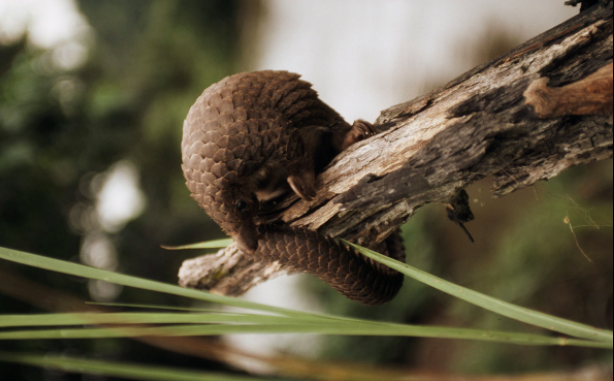
The pangolin is the only mammal in the world to have large scales covering its body – a protection from many predators but not from the rampant illegal trade that threatens the future of all eight pangolin species.

An estimated 195,000 pangolins were trafficked in 2019, for their meat and scales – a trade that’s larger than for any other mammal. So we welcome the Chinese government’s decision to increase protection for this solitary insect eater, which, when undisturbed, makes its home in tree hollows or burrows. China’s decision to upgrade the protection status of pangolins from second to first class – that’s the same level as the giant panda – should now mean stricter enforcement of wildlife laws and penalties for this harmful illegal trade. However, we are concerned about a number of potential loopholes that may allow their trade to continue in China, as well as the ongoing threats of over-hunting and habitat destruction. Our work to challenge the unsustainable trade in pangolin and many other species therefore continues – both to safeguard their future and our own. After all, people everywhere rely on a healthy natural world for their well-being and survival.

[![Pangolins need your help](https://no-cache.hubspot.com/cta/default/4783129/16dce7df-95be-4b0a-8178-3913877a1015.png)](https://cta-redirect.hubspot.com/cta/redirect/4783129/16dce7df-95be-4b0a-8178-3913877a1015)

![John E. Newby  WWF](https://latest.earthhour.org/hubfs/John%20E.%20Newby%20%20WWF.png) **

×

![John E. Newby  WWF](https://latest.earthhour.org/hubfs/John%20E.%20Newby%20%20WWF.png)

### Receive great updates like this direct into your inbox. Subscribe today.

![wwf](https://latest.earthhour.org/hs-fs/hubfs/WWF_January2019%20Theme/Images/wwf.png?width=53&name=wwf.png "wwf")

Building a future in which people live in harmony with nature.

© 2017 WWF - World Wide Fund For Nature© 1986 Panda Symbol WWF – World Wide Fund For Nature (formerly World Wildlife Fund)® “WWF” is a WWF Registered Trademark [Creative Commons license](https://creativecommons.org/licenses/by-nc/4.0/deed.en).